Open 7 Days a Week
Daily: 10am - 8pm
Including Holidays!

Emergency & Same Day Appointments
Call Us at

Now Care Dental
Emergency Dentistry
Eagan MN
651-686-6800
  • Home
  • Dental Services
    • Emergency Dentistry
      • Cracked Teeth
      • Traumatic Injuries
    • Cosmetic Dentistry
      • Bonding
      • Fillings
      • Porcelain Veneers
      • Teeth Whitening
    • Restorative Dentistry
      • Dental Bridges
      • Dental Crowns
      • Dental Implants
      • Dentures
    • Endodontic Dentistry
      • Abscess Removal
      • Endodontic Retreatment
      • Root Canals
    • Periodontal Dentistry
      • Gum Disease Therapy
      • Periodontal Maintenance
      • Scaling/Root Planing
      • Ultrasonic Cleaning
    • Oral Surgery
      • Bone Grafting
      • Impacted Extractions
      • Tooth Extractions
      • Wisdom Teeth Removal
    • Children’s Dentistry
  • Patient Information
    • Frequently Asked Questions
    • Infection Control
    • Smile Gallery
    • Advanced Technology
    • Financial Policy
    • Homecare Instructions
      • Tooth Extractions
      • Wisdom Teeth Removal
      • Impacted Tooth Exposure
      • Dental Implants
      • Endodontic Treatment
      • Fillings
  • Referring Doctors
  • Blog
  • Meet Us
    • Nicholas Geller, DDS
    • Cynthia Tyler, DDS
    • Meet Our Staff
    • Office Tour
    • Patient Reviews
  • Contact Us
    • Contact Us
    • Schedule an Appointment
    • Map and Directions

We offer emergency dental care!
for same day treatment
call

Patient Reviews
Schedule an Appointment
Office Directions

Search

Categories

  • Children's Dentistry
  • Cosmetic Dentistry
  • Dental News
  • Patient Information
  • Periodontal Dentistry
  • Preventative Dentistry
  • Restorative Dentistry
  • Uncategorized

Recent Posts

  • EMERGENCY! Save that Tooth!
  • Fast Facts About Dry Mouth
  • Periodontal Disease—It’s More Than Just Sore Gums
  • Crowns—Dental Workhorses
  • What Your Mouth “Tells” Us…

Tags

abscessed tooth appointment baby teeth bleeding gums bridge broken tooth brushing cavities chipped tooth composite crown dental care dental emergencies dental emergency dental health dental implant dental instruction diabetes dry mouth eagan emergency dental procedures emergency dentistry fillings flossing fluoride gingivitis gum disease heart disease jaw pain minnesota missing teeth now care dental oral health periodontal disease plaque prevention silver stains teeth whitening toothache toothache pain medication tooth brushing tooth decay tooth pain relief x-rays
Share via emailShare via email
Tweet

Posts Tagged ‘cavities’

« Older Entries

Fast Facts About Dry Mouth

Posted on: May 14th, 2013 by Nicholas Geller, DDS No Comments

Man Drinking WaterHere are some facts about what can be a frustrating condition…

  • We call it xerostomia—and it can be a serious problem.
  • It tends to happen as we age—but it doesn’t have to.
  • Besides being uncomfortable, dry mouth makes teeth more cavity-prone.
  • It can be the side effect of some medications or radiation therapy for cancer.
  • Fight dry mouth by drinking 6-8 glasses of water daily.
  • Also, try sugarless gum or lozenges—mouth-wetting agents.
  • There are prescriptions product to combat dry mouth.

So feel free to talk to us—we can help!

Crowns—Dental Workhorses

Posted on: April 23rd, 2013 by Nicholas Geller, DDS No Comments

Dental Crowns and BridgesMost dentists will agree that crown restorations are at the heart of general dentistry. We’ve all studied crowns in dental school, and some of us have done our best work replacing missing teeth and saving the rest.

Research has given us the wherewithal to achieve virtually ideal restorations. They are natural looking, comfortable and stable in the moist environment of the mouth. We’re better equipped than ever to build strong, long-lasting and cosmetically superior crowns.

What is a crown?

A crown (or cap) is a restoration placed over a broken tooth that cannot sustain a conventional filling. By covering the biting surfaces and sides of the tooth, a crown strengthens the damaged tooth by binding together
the remaining structures.

There are basically three kinds of full-crown restorations, each with pros and cons, depending on your situation.

Metal crowns are made of gold or alloys—they have the longest track record for durability, but some
people object to the look of metal.

Full porcelain crowns—and their new ceramic cousins—look wonderful and fit well, but are usually best on front teeth where stress is not so great.

Porcelain-fused-to-metal crowns are our loyal work-horses for single-tooth restoration—they’re very strong.
There are elements of finesse in the creation of any crown. The fit is the thing. The teeth must be prepared with opposing teeth in mind so a good bite won’t go back after the crown is placed. The fit must accommodate adjacent teeth, too. And the “margin,” the part of the crown nearest the gum, must fit smoothly to protect the health of gum tissue.

And all this effort is to one end: to save a tooth.

When is a crown called for?

  • A tooth that has been filled more than once cracks, breaks off, or falls victim to secondary caries—a cavity under or around a filling.
  • You’ve had root canal therapy on a molar, and it’s prone to brittleness.
  • A tooth has suffered severe enamel wear.
  • The high school hockey star takes a blow in the mouth, and an other-wise sound tooth is broken.
  • You need an anchor for your new bridge.

Alcohol and Your Teeth

Posted on: March 12th, 2013 by Nicholas Geller, DDS No Comments

Mixed DrinksDentally speaking, is drinking alcohol a good thing or a bad thing for your teeth and gums?

As with everything alcohol related, there are positives and negatives. On one hand, a mixer-free shot of vodka is probably less hazardous than caramel candies, which coat the teeth with a sticky goo that practically begs for cavities. On the other hand, every kind of alcohol—most notoriously drinks with sugary mixes—are chock-full of their own types of sugar.

Sugar is the main source of energy for plaque bacteria, and these bacteria are the villains that cause tooth decay. As plaque bacteria process sugar, they produce a variety of acids as metabolic by-products; some of these acids go to work immediately to dissolve the teeth.

Cutting back on any source of sugar and replacing it—with raw fruits and veggies, unsalted nuts and popcorn—can make a difference to your mouth.

Alcohol and Your Life

Drinking is too fundamental a component of our culture to be ignored.

A champagne toast to the bride and groom are at one end of this spectrum; a weekend binge by irresponsible children resulting in tragedy and death are at the other. As with so many things in life, balance lies somewhere in between.

Regarding alcohol, perhaps the most balanced advice would be: if you don’t drink, don’t start. If you do drink, know your limits. If you’re exceeding your limits, seek help now!

Mouthwash FAQs

Posted on: March 5th, 2013 by Nicholas Geller, DDS No Comments

MouthwashWhether it’s to mask bad breath, fight cavities or prevent the buildup of plaque, the sticky material that contains germs and can lead to oral diseases, mouthwashes serve a variety of purposes. Or so we think.

Though they may leave your mouth with a clean, fresh taste, some washes can be harmful, concealing bad breath and unpleasant taste that are signs of periodontal diseases which cause inflammation and degeneration of the supporting structures of the teeth and tooth decay. Your dentist will tell you, most mouth rinses just don’t wash.

What are the differences?

Mouthwashes are generally classified by the U.S. Food and Drug Administration (FDA) as either cosmetic or therapeutic, or a combination of the two. Cosmetic rinses are commercial over-the-counter (OTC) products that help remove oral debris before or after brushing, temporarily suppress bad breath, diminish bacteria in the mouth, and refresh the mouth with a pleasant taste. Therapeutic washes have the benefits of their cosmetic counterparts, but also contain an added active ingredient that helps protect against some oral diseases. Therapeutic washes are regulated by the FDA and are voluntarily approved by the American Dental Association (ADA). They also can be categorized into types according to use: antiplaque, antigingivitis, and anticavity fluoride washes.

Should I use a mouthwash?

That depends upon your needs. Most are, at the very least, effective oral antiseptics that freshen the mouth and curb bad breath for up to three hours. However, their success in preventing tooth decay, gingivitis, and periodontal disease is limited.

They are not considered substitutes for regular dental examinations and proper home care. A regimen of brushing, flossing, and routine trips to the dentist should be sufficient in fighting tooth decay and periodontal disease.

Which type should I use?

Again, that depends upon your needs. Studies have shown that most over-the-counter antiplaque mouthwashes and antiseptics are only marginally effective (20-20 percent) at reducing plaque.

Anticavity mouthwash with fluoride, however, has been clinically proven to fight up to 50 percent more of the bacteria that cause cavities. But again, many dentists consider the use of fluoride toothpaste alone to be more than adequate protection against cavities.

Certain mouthwashes may be prescribed for patients with more severe oral problems such as caries, periodontal disease, gum inflammation, and dry mouth. Likewise, many therapeutic washes are strongly recommended for those who can’t brush due to physical impairments or medical reasons.

When and how often should I rinse?

If it’s an anticavity rinse, dentists suggest the following steps, practiced after every meal: brush, floss, then rinse. Teeth should be as clean as possible before applying an anticavity wash to reap the full preventive benefits of the liquid fluoride. The same steps can be followed for antiplaque rinses.

If ever in doubt, ask us in person about your specific brand or follow the instructions on the bottle. Be sure to heed all precautions listed.

Are there any side effects to mouthwashes?

Yes, and they vary depending on the type. Habitual use of antiseptic mouthwashes containing high levels of alcohol (ranging from 18 to 26 percent) may produce a burning sensation in the cheeks, teeth and gums. It can cause intoxication if swallowed, used excessively, or used by children. For a child weighing only 26 pounds, 5 to 10 ounces of many OTC rinses containing alcohol can be potentially lethal.

Many prescribed rinses with more concentrated formulas can lead to ulcers, root sensitivity, stains, soreness, numbness, or changes in taste sensation. Most anticavity rinses contain sodium fluoride, which if taken excessively or swallowed, can lead over time to fluoride toxicity. Because children tend to accidentally swallow mouthwash, they should only use rinses under adult supervision. If you experience any irritating or adverse reactions to a mouth rinse, discontinue its use immediately and consult your dentist.

Tooth-Colored Fillings—Now You See ‘em…

Posted on: December 11th, 2012 by Nicholas Geller, DDS No Comments

For those of you who feel a mouth full of silver or gold fillings is cosmetically appealing, you need not read any further. However, if you’re like me, and prefer your fillings to look like natural teeth, then I have good news for you.

Due to advances in dental technology, we can place tooth-colored fillings in almost every tooth in the mouth. These synthetic porcelain-type fillings can be a real pleasant surprise; proving to be very strong as well as esthetically pleasing.

After decay is removed from a tooth or a fractured edge is rounded off, the filling is placed somewhat different from the traditional packing of silver into the tooth defect.

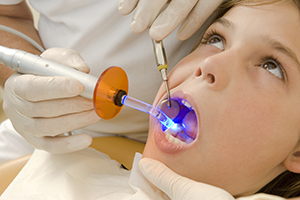
Specific solutions are first painted in layers on the part of the tooth to be restored. When the final layer is  placed, a special light system with a high-intensity beam is focused on the filling material for about one minute. The energy of these special light waves physically changes the filling material into a rock-hard restorative.

We routinely use this filling material for front as well as back teeth, and (from the response we’ve been getting from our patients) they are definitely a big hit!

Fluoride & Your Health

Posted on: November 27th, 2012 by Nicholas Geller, DDS No Comments

What is fluoride, and why is it good for my teeth?

Fluoride is a compound of the element fluorine, which is found universally throughout nature in water, soil, air, and in most foods. Fluoride is absorbed easily into tooth enamel, especially in the growing teeth of children. Once teeth are developed, fluoride makes the entire tooth structure more resistant to decay and promotes remineralization, which aids in repairing early decay before the damage is even visible.

“Systemic” fluoride is ingested when added to public and private water supplies, soft drinks and teas, and is available in dietary supplement form. It is absorbed through the gastrointestinal tract, and is distributed throughout the entire body. Most fluoride is deposited in bones and hard tissues like teeth.

What’s a “topical” fluoride, and when should I use it?

“Topical” fluoride is found in products applied directly to the teeth, including toothpastes and mouth rinses. Dentists recommend brushing with a fluoride toothpaste at least twice a day or after every meal, combined with a regimen of flossing and regular dental checkups.

Professionally-administered topical fluorides such as gels or varnishes are applied and left on for about four minutes, usually during a cleaning treatment. For patients with a high risk of dental caries, we may prescribe a special gel for daily home use, to be applied with or without a mouth tray for up to six weeks.

Why is most of the water we drink fluoridated?

Fluoridated water protects against cavities and root caries–a progressive erosion of adult root surfaces caused by gum recession–and helps remineralize early carious lesions. Thanks to these preventive benefits, mass water fluoridation is considered the most efficient and cost-effective dental caries prevention measure available.

What about those “theories?”

After countless studies, tests, and scientific reviews conducted since the 1930s, fluoride used in normal amounts has not been proven to be hazardous to human health.

Can I get too much fluoride?

In general, the use of fluoride is considered safe unless it’s misused or overconcentrated.

Drinking excessively fluoridated water can cause dental fluorosis, a harmless cosmetic discoloring or mottling of the enamel, visible by chalky white specks and lines or pitted and brown stained enamel on developing teeth.

Avoid swallowing toothpaste, mouth rinses or other topical supplements, and take care to only use proper dosage.

If you are concerned about the fluoride levels in your drinking water, call the local public water department. If the source is a private well, request a fluoride content analysis taken via a water sample through your local or county health department.

Tooth Decay: A Preventable Disease

Posted on: August 14th, 2012 by Nicholas Geller, DDS No Comments

What is tooth decay, and what causes it?

Tooth decay is the disease known as caries or cavities. It is not life threatening and is although it is highly preventable, it will affect most people to some degree during their lifetime.

Tooth decay occurs when your teeth are frequently exposed to foods containing carbohydrates (starches and sugars) like soda pop, candy, ice cream, milk, cakes, and even fruits, vegetables and juices. Natural bacteria live in your mouth and forms plaque. The plaque interacts with deposits left on your teeth from sugary and starchy foods to produce acids. These acids damage tooth enamel over time by dissolving the mineral structure of teeth, producing tooth decay and weakening the teeth.

How are cavities prevented?

The acids formed by plaque can be counteracted by simple saliva in your mouth, which acts as a buffer. Dentists often recommend chewing sugarless gum to stimulate your flow of saliva. However, even though it is the body’s natural defense against cavities, saliva alone is not enough to combat tooth decay.

The best way to prevent caries is to brush and floss regularly. To rebuild the early damage caused by plaque bacteria, we use fluoride, a natural substance which helps to remineralize the tooth structure. Fluoride is added to toothpaste to fight cavities and clean teeth. The most common source of fluoride is in the water we drink. Fluoride is added to most community water supplies and to many bottled and canned beverages.

If you are at medium to high risk for cavities, a special high concentration fluoride gels, mouth rinses, or dietary fluoride supplements may be recommended. Professional strength anti-cavity varnish, or sealants–thin, plastic coatings that provide an extra barrier against food and debris can also be used.

Who is at risk for cavities?

Because we all carry bacteria in our mouths, everyone is at risk for cavities. Those with a diet high in carbohydrates and sugary foods and those who live in communities without fluoridated water are likely candidates for cavities. And because the area around a restored portion of a tooth is a good breeding ground for bacteria, those with a lot of fillings have a higher chance of developing tooth decay.

Children and senior citizens are the two groups at highest risk for cavities.

What can I do to help protect my teeth?

The best way to combat cavities is to follow three simple steps:

  1. Cut down on sweets and between-meal snacks. Remember, it’s these sugary and starchy treats that put your teeth at extra risk.
  2. Brush after every meal and floss daily. Cavities most often begin in hard-to-clean areas between teeth and in the fissures and pits–the edges in the tooth crown and gaps between teeth. Hold the toothbrush at a 45-degree angle and brush inside, outside and between your teeth and on the top of your tongue. Be sure the bristles are firm, not bent, and replace the toothbrush after a few weeks to safeguard against reinfecting your mouth with old bacteria than can collect on the brush. Only buy toothpastes and rinses that contain fluoride (antiseptic rinses also help remove plaque) and that bear the American Dental Association seal of acceptance logo on the package. Children under six should only use a small pea-sized dab of toothpaste on the brush and should spit out as much as possible because a child’s developing teeth are sensitive to higher fluoride levels. Finally, because cavities are a transmittable disease, toothbrushes should never be shared, especially with your children.
  3. See your dentist at least every six months for checkups and professional cleanings. If you get a painful toothache, if your teeth are very sensitive to hot or cold foods, or if you notice signs of decay like white spots, tooth discolorations or cavities, make an appointment right away. The longer you wait to treat infected teeth the more intensive and lengthy the treatment will be. Left neglected, cavities can lead to root canal infection, permanent deterioration of decayed tooth substance, and even loss of the tooth itself.

Sealants for Kids

Posted on: July 24th, 2012 by Nicholas Geller, DDS No Comments

Simply Good Parenting

Of course we want the best for our children, and most of us work at good parenting every day: quality schools, solid values, a sense of family. Time and money may put limits on what we can do for our kids’ health and happiness, but not when it comes to sealants. Sealants are, well, a bargain.

Sealants are a risk-free, wear-resistant, and painless resin coating that actually bonds to the surface of teeth, sealing out decay.

A child’s dental development is pretty much predictable. As molars appear—about six years of age—the enamel is the last to form. Between the ages of six and nine, precious enamel may be missing from the surface of teeth. Since youngsters are not always the best brushers, cavities are waiting in the wings.

The good news: sealants prevent about 80% of the cavities a typical child might otherwise have if left untreated. A bargain now with lifetime benefits.

Children’s Teeth Q&A

Posted on: July 3rd, 2012 by Nicholas Geller, DDS No Comments

Answers to some frequently-asked questions:

Q: Why do we have two sets of teeth?

A: A child needs teeth long before his or her jaw is big enough to accommodate the full set of adult teeth. Baby, or deciduous, teeth are “starters” in every sense of the word.

Q: Why worry about cavities if baby teeth fall out on their own?

A: Baby teeth are important “guides” that help frame the development of adult teeth, even the jaw. In fact, the beginnings or “buds” of adult teeth are right behind the baby teeth starting at birth. Badly decayed baby teeth can pass the disease back, and don’t help the permanent teeth grow in properly.

Q: How do baby teeth “know” when to fall out?

A: They’re effectively pressed out by properly developing adult teeth. As grownup teeth grow and press through the jaw to the mouth’s interior, they cause the baby-tooth roots to dissolve.

Q: What—if anything—should I do about a loose baby tooth?

A: Ideally, a loose tooth will fall out on its own or (since they are the only ones who truly know how loose it is) the child will pull it out themselves. But, if it’s really wiggling and needs to be removed, grip it firmly with a clean hanky and rock it out gently.

Custom Made Prevention

Posted on: June 12th, 2012 by Nicholas Geller, DDS No Comments

Above average? Me?

You may be five-foot-four, a C student, never starred at sports. And yet you may be ABOVE average—in your need for dental check-ups.

While two visits a year is average, more appointments should be scheduled when either the mouth builds up tartar fast, cavities multiply like bunnies, or teeth or gums experience growing pains.

Fluoride has helped to improve the dental health of its users for generations, and we can now apply sealants to children’s back teeth to fend off decay. X-rays are safer; modern anesthetics more effective. All in the name of prevention.

Recent research has discovered that it’s not just your mouth in the balance—it could be your life.

The American Heart Association reports that the BEST indicator of your chance of having a stroke is your number of teeth. Not cholesterol, blood pressure or bad diet. The more teeth you lose, the higher the risk of stroke.

We can help you keep those teeth where they belong, monitoring your oral health and taking action when problems appear. We’ll recommend how often to come in. So stand tall. You’re above average—and your smile shows it.

« Older Entries

Now Care Dental, 1380 Duckwood Drive Suite 108, Eagan, Minnesota 55123 • Phone: 651-686-6800

Drs. Nicholas Geller and Cynthia Tyler provide the following Emergency Dental Services:

Tooth Extractions, Impacted Extractions, Cracked Teeth, Crowns, Root Canals, Fillings, & Traumatic Injuries.

Proudly serving the following Minnesota & Wisconsin cities:
St. Paul MN • Eagan MN • Apple Valley MN • Burnsville MN • Lakeville MN • Mendota Heights MN • Inver Grove Heights MN
West St. Paul MN • Bloomington MN • Ritchfield MN • Woodbury MN • Cottage Grove MN • Minneapolis MN
Hastings MN • Farmington MN & Prescott WI • Prior Lake MN • Savage MN • Newport MN • Woodbury MN

Copyright © 2005-2013 Now Care Dental. All Rights Reserved. Sitemap | Disclaimer Google+